Stapled and Shelved: The Zine Libraries Making Space for Britain's DIY Voices
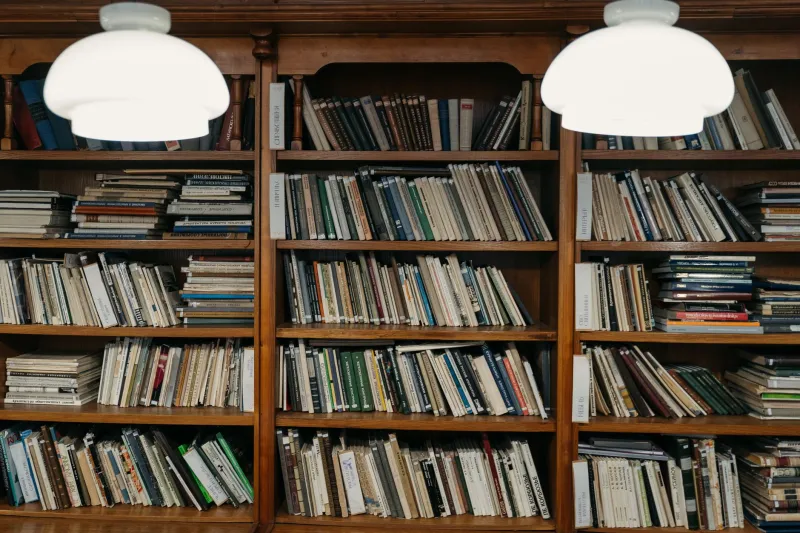
The room above the pub
It's a Tuesday night in a back room somewhere in Leeds, and the loudest thing in the room is a photocopier. Around it, a dozen people are sorting through plastic crates of pamphlets, comics and hand-stapled manifestos. There's a kettle, a tin of biscuits and a hand-written sign that says: take one, leave one, or just read. No one is checking anyone's credentials. No one is asking for an email address. This is a zine library, and it is quietly becoming one of the most welcoming rooms in the country.
What counts as a zine library
The term covers a lot of ground. Some are proper shelves in a public library, staffed by librarians who have carved out a corner for self-published work. Others are a few boxes in a community centre, a cupboard in a pub, or a suitcase that gets wheeled out at events. What they share is a refusal to gatekeep. You won't find a Dewey Decimal system here. You might find a hand-drawn index, or a notebook where borrowers scribble what they took. The collection is usually donated, swapped or made on site. And it's almost always free to browse.
The swap meet economy
Most zine libraries don't just sit there. They host swap meets, where you bring a zine you've made or loved and take home something new. No money changes hands. The etiquette is simple: don't take the last copy of something if you didn't bring anything to replace it, and always leave the staples intact. There are workshops too, often teaching the one-sheet fold that turns a single A4 page into an eight-page booklet. And readings: someone standing on a chair in a corner, reading from a perzine about their nan, or a comic about bus routes. These aren't polished events. That's the point.
Why it beats the scroll
You can't doomscroll a shelf. You have to pull things out, put them back, judge a cover by its photocopied texture. The serendipity is physical. A zine about local allotments sits next to a manifesto about council housing, which sits next to a comic about a cat. There's no algorithm deciding what you see next. There's just a room, a table, and whatever someone bothered to staple together. In a world of infinite feeds, that's a relief. It's slower, yes. But it's also more honest. Every zine in the box was made by a person who wanted to say something, and you can hold it in your hand.
The common room effect
The best zine libraries feel like common rooms: shared, neutral, not commercial. They're run by volunteers, often the same people who make the zines. Some are in libraries, some in pubs, some in arts centres. They don't ask you to buy a drink or sign up to a newsletter. They just leave the door open. That openness matters. Zines have always been a way for people outside the mainstream to get their voice out: punks, poets, perzine writers, campaigners, kids with a stapler and a grudge. A zine library is a place where those voices sit together on a shelf, without hierarchy. You might find a professionally printed comic next to a biro-scrawled rant. Both are welcome.
Shelf life
The boom is real, but it's not about scale. It's about rooms. A zine library doesn't need a building; it needs a shelf and someone to unlock the door. If you've got a local one, go. Take a zine, leave a zine, or just read. If you haven't, start one. All you need is a photocopier, a box, and a corner of a room that could be a common room. The algorithm will still be there when you get back. The zines might not be.