Between the Stacks: The After-Hours Library Nights Worth Staying Up For
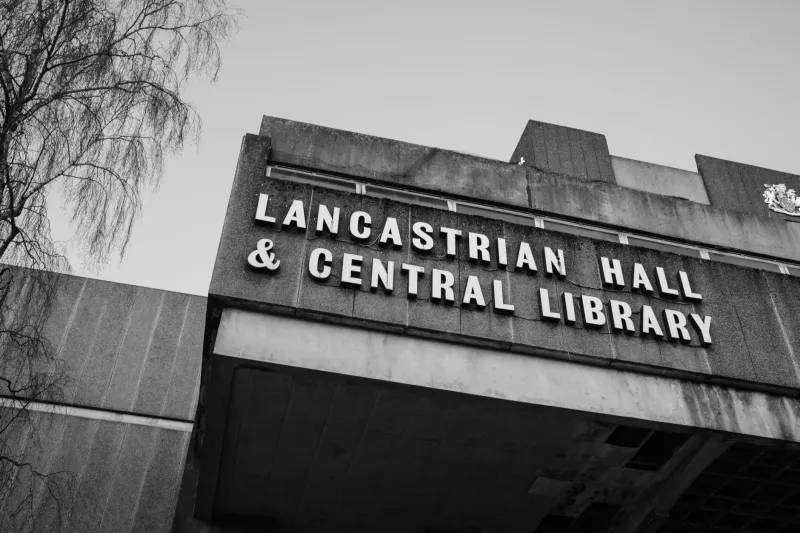
On a Thursday evening in November 2026, the lights stay on at a local library after the doors are officially closed. The computers are off. The fiction shelves are in shadow. But the meeting room is full of people swapping zines, and someone has plugged a small amp into a socket near the reference section.
This is the library after dark: not a silent, empty building, but a low-key night out. Across the UK, branches are experimenting with after-hours events — zine swaps, listening clubs, late-night reading rooms, small acoustic sets and craft sessions that run past the usual closing time. They are not trying to compete with pubs. They are offering something different: a warm room, a gentle buzz and an excuse to be out without spending £40 on a round.
Why the library works after dark
Libraries are already third spaces. They are free, accessible and familiar. They have loos, heating and a kettle. They are usually near a bus stop or a car park. For people who find pubs too loud, too expensive or too boozy, an after-hours library event can be a revelation.
There is also something quietly thrilling about being in a public building when it is not quite public. The chairs are stacked differently. The lighting is softer. The usual rules — silence, please — are temporarily suspended. It feels like a sleepover for grown-ups, minus the sleeping bags.
In 2026, the appetite is clear. Library teams are under pressure, but they are also creative. Friends groups, local zine makers, radio producers and musicians are bringing ideas to branches and finding a willing audience. The events are small, often free or pay-what-you-can, and they tend to fill up fast.
What makes a good late-night library night
The best events are simple. They do not try to turn the library into a nightclub. They use what is already there: shelves, tables, chairs, a projector, a sound system that may or may not work.
A zine swap works because it gives people something to do with their hands. Bring a stack, take a stack, talk to the person next to you. A listening club works because it gives people permission to sit and listen together — a rare thing in a world of headphones. A late-night reading room works because it is exactly what it says: quiet, comfortable and gently social. A small acoustic set works if the room is right and the audience knows what to expect.
The common thread is low pressure. No one is expected to dance. No one is expected to buy a drink. You can leave early without it being a thing. You can come alone. You can talk or not talk. That is the point.
Not a pub, not a living room
It is tempting to describe these nights as 'pub alternatives', but that undersells them. A pub is designed for sociability, but it is also designed for selling alcohol. A library is designed for access. That changes the mood.
At a library night, you might see teenagers, retirees, parents who have escaped bedtime and people who just want to be around others without having to perform. The mix is different. The volume is lower. The lighting is kinder. There is usually a table of biscuits.
That does not mean it is always quiet. A zine swap can get noisy. A listening club can spark heated debate. An acoustic set can fill the room with something close to a hush. The point is that the noise is chosen, not imposed.
How to pitch your local library
If you have an idea, start with a conversation, not a proposal. Ask the library manager what they are already doing and what they wish they could do. Find out about staffing, insurance, closing procedures and whether there is a friends group you can work with.
Then make the ask small. A one-off event is easier to say yes to than a monthly programme. Offer to do the organising, the publicity and the clearing up. Be clear about what you need: the room, a couple of tables, access to a kettle and maybe a projector. Be realistic about timing. Most libraries need the building empty and secure by a certain hour, so build in a buffer.
Think about the audience. Who is this for? What will they do when they arrive? How will they know it is happening? A simple poster, a social media post and a note in the local newsletter can go a long way. If you can, partner with a local group — a bookshop, a radio station, a zine collective, a choir — to share the load and the audience.
The practical bits
There are always practical bits. Fire exits, capacity, safeguarding, food hygiene if you are handing out cake. If you are playing music, check whether the library has a licence or whether you need one. If you are selling anything, ask about permissions. If you are staying late, make sure someone knows how to set the alarm.
None of this is glamorous. But it is the difference between a one-off experiment and a night that becomes part of the local calendar. The libraries that do it well are not trying to be cool. They are trying to be useful, warm and open. In 2026, that is more than enough.
The quietest night out, getting louder
The library after dark is not a replacement for the pub, the gig or the cinema. It is another option — a low-stakes, high-warmth way to be together. It will not suit everyone. But for anyone who has ever wanted a night out that ends with a cup of tea and a borrowed book, it is a quiet revolution.
If you have a local branch, ask what happens after closing. You might be surprised. And if nothing happens yet, you might be the person who starts it.