Screen Tests: What It Really Takes to Turn a Dead Shop Into a Living Venue
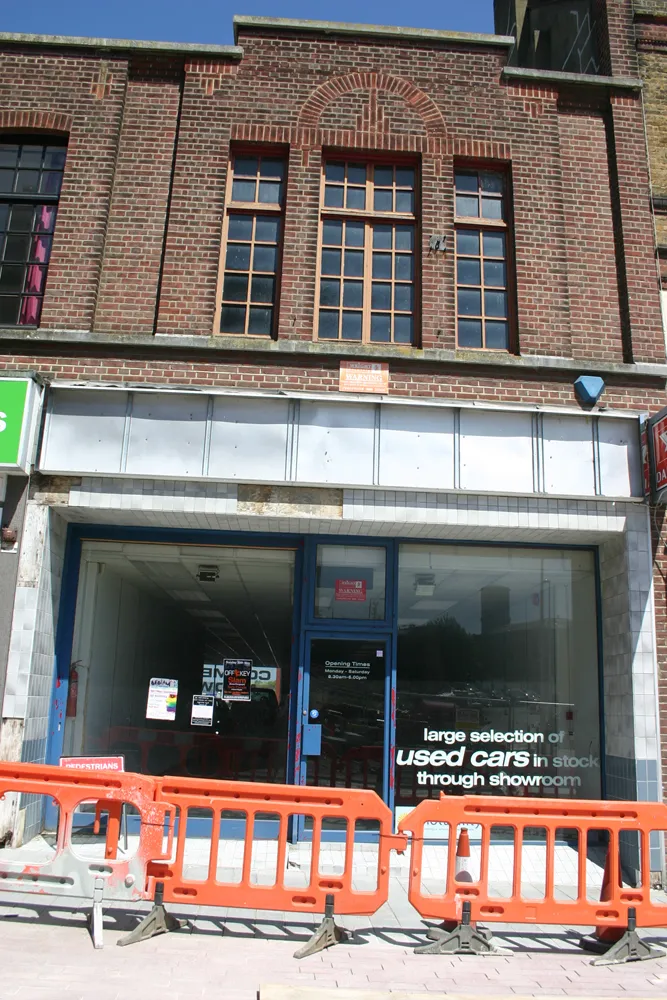
Photo: Carl @FellowCreative, CC BY 2.0, via Wikimedia Commons
On a wet Tuesday in Stockport, the queue for a 40-seat cinema starts between a vape shop and a boarded-up bakery. The screen is a white wall. The box office is a folding table. The person tearing tickets is also the person who rigged the sound system, and she has a spare extension lead in her coat pocket. This is not a pop-up built for social media. It is a shop unit that used to sell £1 cleaning products, now doing three screenings a week and a Sunday listening session.
That scene is repeating across the UK. In Margate, a former estate agent has become a 60-capacity gig room. In Leeds, a disused phone shop hosts zine launches and film clubs. In Glasgow, a charity shop back room has been reworked into a tiny screen with beanbags. The high street vacancy crisis is well documented. Less discussed is the quiet army of volunteers turning those empty units into grassroots venues—and discovering that the shopfront is the easy part.
The lease is not the barrier you think
Most organisers start with a short-term lease, a meanwhile use agreement or a peppercorn rent. Landlords would rather have a warm, insured building than another boarded window. Councils sometimes help with empty property rates or small grants. But the paperwork does not end with keys.
'We thought the hard bit would be finding a space,' says Maya, who helps run a volunteer cinema in a former pound shop in Greater Manchester. 'Actually, finding a space took three weeks. Getting the licensing and fire safety right took four months.'
That is the recurring story. A shop unit is not a cinema. It needs blackout, ventilation, accessible entry, a fire risk assessment and a plan for what happens when 40 people need the loo at once. The last point is not a joke. If you cannot provide decent toilet access, you cannot run a public event, however arty it is.
Forty seats and a decent loo
The 40-seat model is popular for a reason. It is small enough to feel busy with 25 people, cheap enough to run on ticket sales, and nimble enough to test a programme. It also fits under many insurance and licensing thresholds, though organisers should check with their local authority rather than trust a blog post.
Sound is the next surprise. A shop unit with a glass front and a hard floor will bounce every whisper. Volunteers learn to hang curtains, borrow rugs and build a tiny booth for the projector. One organiser in Bristol describes their first screening as 'a £200 lesson in why carpets matter'.
Then there is access. A step at the door is a barrier. A toilet down a narrow corridor is a barrier. A screen with no captions is a barrier. The best pop-up venues build access in from the start, not as an afterthought. That might mean a portable ramp, a hearing loop, or simply asking disabled community members what they need before the first ticket goes on sale.
Who pays for the popcorn?
Almost nobody is getting rich. Ticket prices tend to sit between £4 and £10. Some venues run a pay-what-you-can tier. Others rely on a mix of crowdfunders, community shares, local business sponsorship and small arts grants. The popcorn is often donated. The projector is often second-hand.
'We are not trying to replace the multiplex,' says Maya. 'We are trying to make a room where people can watch a film together without spending £40 before the trailers.'
That economic model is fragile, but it is also flexible. A venue that can host a film night on Friday, a listening session on Saturday and a tenants' meeting on Sunday is more useful than a single-purpose space. The volunteers are not just programming culture; they are maintaining a room.
How to start one in 2026
If you want to launch a pop-up venue in your own town this year, start smaller than you think. Run one event in a borrowed space. Test the demand. Then find a unit that already has a toilet, level access and a fire exit. Talk to your council's licensing team early. Ask other organisers for their risk assessment templates. Build a team of at least five so nobody burns out. And be honest about the money: you need insurance, public liability, and a plan for the quiet months.
The high street does not need another empty shop. It needs more rooms where people can sit together in the dark and remember they live in the same town. The corner shop cinema is not a nostalgia project. It is a practical one. And in 2026, it might be the most useful thing on the street.