Pass the Plates, Pass the Mic: Britain’s Supper Clubs Are Becoming the Rooms We Missed
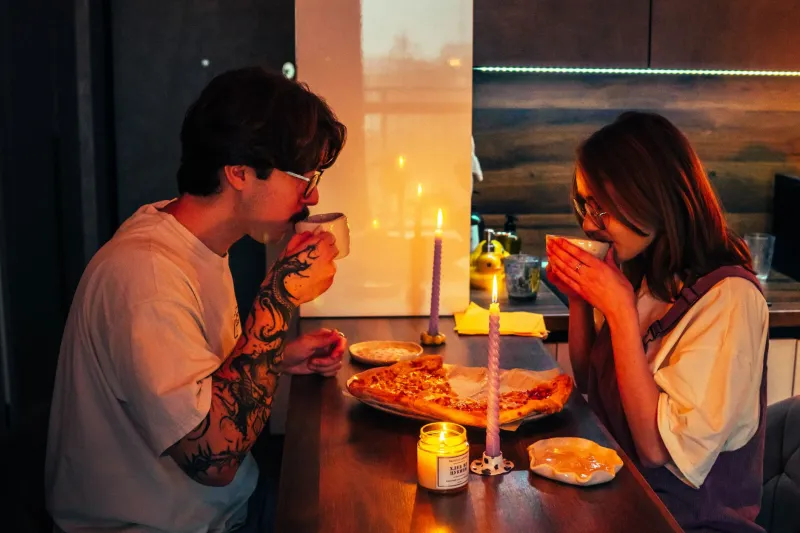
On a wet Thursday in November 2026, the front room of a terraced house in Walkley, Sheffield, is doing the job a pub function room used to do. There are 18 people around three pushed-together tables, a pot of something orange and cumin-scented, and a hand-written sign asking guests to write their name and one thing they can help with on a sticky note. The host, Nadia, is not a restaurateur. She is a youth worker who started The Wednesday Table two years ago because the nearest affordable place to eat and meet had closed.
‘I’m not trying to build a restaurant,’ she says, ladling out squash and red lentil stew. ‘I’m trying to build a room.’
That distinction matters. Supper clubs have moved from niche novelty to something closer to community infrastructure in UK towns. They are not replacing council services or saving the high street on their own. But in places where the pub has gone quiet, the community centre has lost its grant, and the local cafe closes at 3pm, a monthly table with 20 seats can do a surprising amount of social work.
Sheffield: the room above the laundrette
The Wednesday Table runs once a month in a borrowed community hall above a laundrette. It is £22 a head, bring your own alcohol, and it sells out by text message. Nadia registers the club as a food business with Sheffield City Council, keeps allergen sheets in a ring binder, and has public liability insurance. She does not sell alcohol, which keeps the licensing picture simpler. She has a rota of helpers, some of whom are guests who wanted to be useful.
‘The first night, I was terrified nobody would talk,’ she says. ‘Now I have to ring a bell to get people to sit down.’
The room is mixed by design: students, retirees, a plumber, two nurses, a man who fixes bikes in his shed. Nadia keeps two seats at £10 for people who cannot stretch to the full price. She does not means-test anyone. ‘You just say if you need it,’ she says. ‘I’d rather that than have an empty chair.’
Cumbria: twelve seats and a lift rota
Three hundred miles north, Fellside Kitchen near Alston has a different problem: distance. Ruth and Tom run the club in a converted barn on a fellside farm. There are 12 seats, a long table, and a menu built around what is in season and what the neighbours have spare. It is £25, with two pay-what-you-can places. They do not sell alcohol; guests can bring a bottle. They use temporary event notices when they need to, and they keep the paperwork in a folder by the door.
Ruth says the club began as a way to get people together in winter, when the lanes are dark and the nearest bus is more of a rumour than a service. Now it is part of a informal lift rota. If someone from the village is coming, they pick up someone from the next valley. If a farmer has had a bad week, he might end up washing up.
‘It’s not a support group,’ Ruth says. ‘But it does the thing a support group does, which is notice when someone hasn’t been for a while.’
The food is plain and generous: mutton, barley, baked apples, a big pot of tea. Nobody is trying to get a review in a glossy magazine. The point is that the table is long enough to include the quiet people.
Cardiff: the rotating table
In Grangetown, Cardiff, Cwtch & Curry rotates between a church hall, a community centre and, occasionally, the front room of hosts Maya and Idris. It is £15, vegetarian, and the guest list is deliberately local: neighbours, students, a few people who work at the nearby supermarket. Half the room walks home.
Maya says the club started as a way to cook the food she missed and meet people after moving to the area. It now links up with a community fridge and a local choir. The club has a text list rather than a slick booking system. There are no tickets on the door. If you turn up and there is a chair, you eat.
‘The danger is that it becomes a private dinner party with a waiting list,’ Maya says. ‘We try to keep it porous.’
The paperwork behind the plates
The Instagram version of a supper club is candles and a big dish of something. The reality is food business registration, allergen records, insurance and a careful reading of licensing rules. If you are selling alcohol, you may need a premises licence or a temporary event notice. If you are using a hired hall, you need to check what the hall’s own licence allows. ‘Private dining’ is not a magic wand that makes regulation disappear.
None of the hosts I spoke to pretended the paperwork was fun. But they all said the same thing: do it properly, or the whole thing is fragile. A club that cuts corners is one complaint away from closing.
The affordability test
There is a version of the supper club revival that is just restaurants with fewer staff and more fairy lights. A £65 tasting menu in a rented townhouse is not a common room. It is a night out for people who already have plenty of rooms.
The clubs that matter are the ones keeping prices low enough to be ordinary. That might mean a £15 curry, a £22 stew, a pay-what-you-can seat, or a bring-your-own-bottle rule that keeps the margin honest. It also means not letting the guest list calcify into the same 20 people.
Supper clubs cannot fix the closure of pubs or the underfunding of community centres. They are not a policy. But they are a practical response to the fact that people still want to sit down together without spending £50 each. The kitchen table is not the new common room because it is fashionable. It is the new common room because, for a lot of people, it is the only room left that will have them.