Dialled In: Five Community Radio Shows to Carry You Through a British Winter
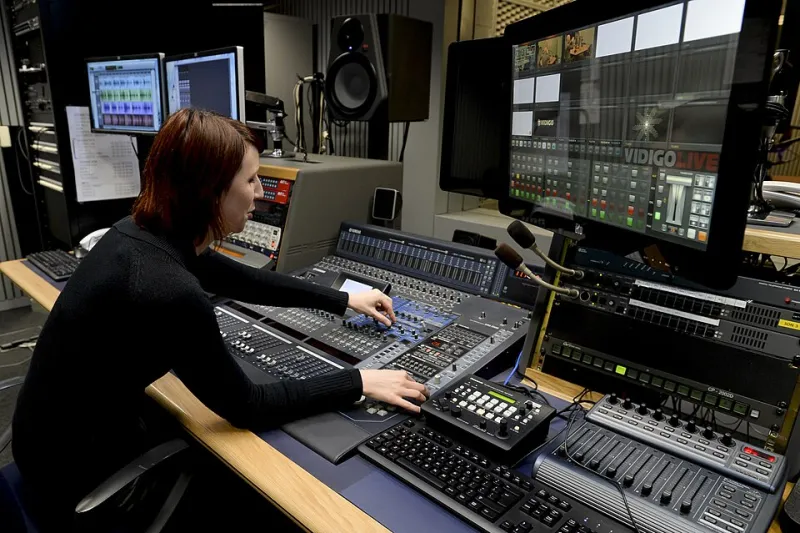
Photo: Europäische Kommission - Audiovisueller Dienst, Etienne Ansotte, CE - Service audiovisuel, EC - Audiovisual Service, Shimera, CC BY 4.0, via Wikimedia Commons
It is dark by half four in November 2026, which makes it official: radio season. Not the playlist that knows what you liked last winter. The other kind — the sort made by people who live near the transmitter, who know the bus timetable and the name of the person who runs the chip shop.
Community radio is not a museum piece. It is a patchwork of small stations, volunteer presenters and occasional technical chaos. Here are five shows worth staying in for this winter. They are not the biggest names in British broadcasting. That is rather the point.
The Late Bus — Govan Sound, Glasgow
Fridays, 8pm to 10pm
Govan Sound is run by teenagers, which means The Late Bus sounds like a school corridor at the end of term: loud, funny, a bit chaotic, and occasionally very serious. The presenting team is aged 14 to 18. They play demos from school bands, argue about bus cuts, and take calls from listeners about exam stress and weekend jobs.
It is not polished. That is the point. The show reflects a part of Glasgow where young people are often talked about rather than listened to. When a presenter misreads a cue or a song cuts out early, nobody dies. When a caller says they are having a rough week, the studio goes quiet in the right way.
Tune in on 87.9 FM if you are local, or through the station’s online stream. The archive goes up on a Sunday, which is useful if you missed it because you were, understandably, asleep.
Furrow & Field — Fenland Community Radio, Norfolk
Saturdays, 7am to 9am
Furrow & Field is a farming show that doubles as a rural support network. The hosts are an arable farmer and a retired vet. They talk about weather, livestock prices, machinery auctions and the practical business of getting through winter. But the phone lines are open for 45 minutes, and that is when the show does its real work.
Listeners ring in with offers of lifts to hospital, requests for sheep-shearing contacts, and the kind of small, specific advice that never makes it into a national news bulletin. The show reads out notices for village halls and young farmers’ clubs. It is not sentimental about rural life. It is simply useful.
If you are not in Norfolk, listen online. If you are in Norfolk and you have ever wondered who is awake at 7am on a Saturday, the answer is: quite a lot of people, and they are all listening to the same thing.
The Basement Tapes — Hunslet Community Radio, Leeds
Sundays, 6pm to 8pm
The Basement Tapes is a local music show with no playlist and a healthy suspicion of anything with a marketing budget. Each week a different local sound engineer, promoter or band member picks three tracks from the Leeds demos pile. The result is uneven, enthusiastic and genuinely surprising.
What makes it community radio rather than just a music blog with a microphone is the gig listings. The show reads out the small stuff: the pub back room, the church hall, the fundraiser for the food bank. It treats those rooms as culture, not as warm-up acts for the real thing.
Listen online or on 106.6 FM across south Leeds. The station also runs free training for volunteers, which is worth knowing if you have ever fancied trying it yourself.
The Shared Table — Lagan Community Radio, Belfast
Wednesdays, 1pm to 2pm
The Shared Table is a lunchtime show about food and memory. Guests bring a recipe and a story: a grandmother’s soda bread, a packet of crisps eaten on a ferry, a stew that reminds someone of a street that no longer exists. The host is good at letting silence sit for a second.
Belfast has no shortage of radio voices, but this one is quieter than most. It is about the everyday ways people from different parts of the city share a table without pretending history is simple. The show does not force reconciliation. It just makes room for the ordinary.
Listen on 102.4 FM or online. If you are outside Belfast, the podcast version works well on a dark afternoon.
The Allotment Hour — Leicester Community Radio
Sundays, 9am to 10am
The Allotment Hour is exactly what it says, and better for it. There is advice on overwintering garlic, a slot for swapping gluts, and a regular feature called the Courgette Amnesty, in which listeners confess to leaving bags of produce on neighbours’ doorsteps.
It reflects Leicester’s allotment culture: multilingual, practical, and full of people who would rather talk about soil than listen to a playlist. The show also carries notices about community gardens and food-growing projects. It is the sort of radio that makes you put your coat on.
Listen on 105.5 FM or online. The station is volunteer-run, so if you have a growing story, they will probably take your call.
Why this stuff still matters
Streaming is brilliant at giving you more of what you already like. Community radio is better at giving you something you did not know you needed: a phone-in about bus cuts, a demo from a band down the road, a stranger reading out a notice for a village hall.
It is also cheap to make and hard to fund. Most stations run on a mix of volunteers, grants, advertising and sheer stubbornness. Ofcom licenses community radio, but plenty of shows start online-only, which is simpler and still reaches an audience. If you want to start your own, listen first. Find a station that already exists and offer to help. Learn the desk. Ask about training. Sort out music licensing and insurance before you go live.
The winter is long. The dial is still there.