One Night Only, Fifty Seats: The Village Halls Changing How Bands Tour

Photo: Vyacheslav Kirillin, CC BY-SA 4.0, via Wikimedia Commons
On a wet Friday in November 2026, the car park of a village hall somewhere off the A140 is full of hatchbacks, wellies and a hand-painted sign reading 'GIG TONIGHT — PLEASE PARK CONSIDERATELY'. Inside, a band is soundchecking under fluorescent strip lights while a volunteer arranges flapjacks on a trestle table. This is not the tour you read about in the music press. It is the tour that is quietly keeping it alive.
Welcome to the village hall circuit: a loose network of promoters, musicians and volunteers turning low-capacity rural rooms into proper gig venues. No stage door, no rider, no corporate sponsor. Just a hall, a PA, a licence and an audience who actually lives within walking distance.
Why the hall circuit is having a moment
The economics are straightforward. City venues are expensive, and many small-to-mid rooms have closed or narrowed their programming. At the same time, rural bus services are patchy and train fares are punishing. For a lot of people outside the big towns, a night out in the city means a taxi home that costs more than the ticket.
Village halls solve a different problem. They are already there. They have chairs, a kitchen, a car park and a committee that knows how to run a raffle. Capacity is usually between 50 and 150 — small enough that a touring act can make it pay with a modest guarantee and a merch table, big enough to feel like an event.
Promoters are noticing. In 2026, the winter season is fuller than it has been for years, with folk, jazz, alt-country, spoken word and the kind of indie band that would normally play a half-full city bar on a Tuesday. The audiences are showing up because the gig is local, affordable and finite. You are not choosing between a hall show and a stadium; you are choosing between a hall show and staying in.
More than a PA and a trestle table
A good hall show is not just a gig in a room with a kettle. The best promoters treat the hall like a venue, not a favour.
First, the sound. A decent PA and someone who knows how to use it matters more than a fancy lighting rig. Halls are echoey, with high ceilings and hard floors. A few rugs, a curtain or even a stack of spare chairs can tame the worst of it. Ask the band what they need, then ask a local engineer to help.
Second, the seating. Cabaret-style tables work for folk and spoken word; rows work for louder acts. Leave a clear aisle and don't cram people in. If the hall has a stage, use it. If not, a simple riser or a marked-out performance area helps everyone know where to look.
Third, the intervals. Village hall audiences like a break. It gives them a chance to talk, buy a drink, use the loo and inspect the cake stall. It also gives the promoter a captive audience for the raffle. Do not fight this. Lean in.
Fourth, the welcome. A sign at the door, a named person on the desk, clear parking instructions and a hot drink go further than a glossy poster. The audience is taking a risk on an unknown night out. Make it easy.
And fifth, the green room. It might be the committee room, but the band still needs somewhere to put their coats, tune up and eat something that isn't a packet of crisps. A kettle, a mirror and a plate of sandwiches are not glamorous. They are the difference between a promoter who gets asked back and one who doesn't.
The audience is local, and that changes everything
The thing that makes hall shows different is that the audience is not anonymous. People know the promoter. They know the person selling tickets. They might know the band's auntie. That creates a different atmosphere — warmer, chattier, sometimes a bit chaotic.
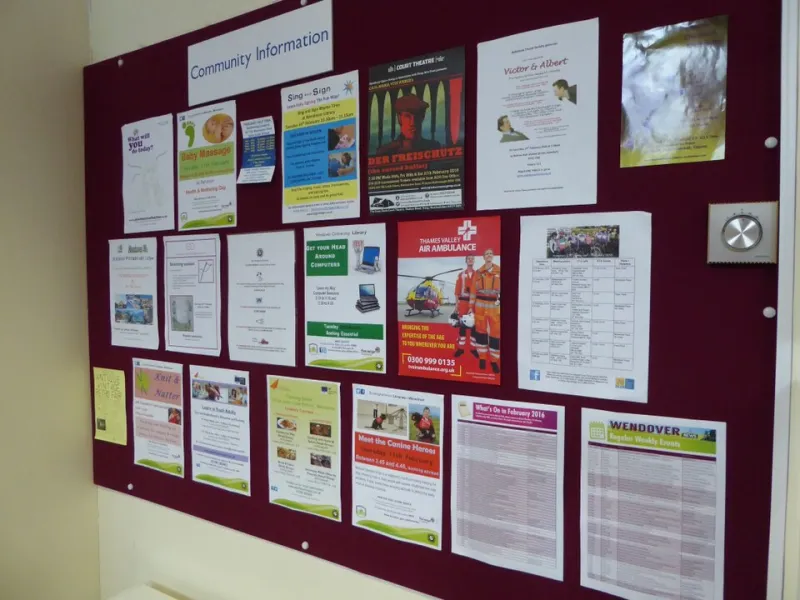
It also changes the marketing. You cannot rely on a city listings site. You need the parish newsletter, the village Facebook group, the shop window, the school gate and the local radio station. A poster in the right place still works. A personal invitation works better.
Rural audiences are not a monolith. Some halls sell out a folk night in days; others struggle with anything louder than acoustic. The trick is to programme for the room you have, not the room you wish you had. If the local appetite is for tribute acts and covers, start there. Build trust. Then try something stranger.
How to put on your own one-night stand
If you have a hall, a date and a bit of nerve, you can promote a gig. Here is the short version.
Start with the hall. Read the booking terms, ask about insurance, noise limits, closing times and whether there is a piano. Talk to the parish council or trustees early. They are not the enemy; they are the people who know where the fuse box is.
Then find the act. Look for musicians who are already touring small rooms and have their own PA if possible. Be honest about the budget. A guarantee plus a share of the door is common; a flat fee is simpler. Agree a soundcheck time and a curfew in writing.
Budget properly. Hall hire, PRS/PPL licences if needed, insurance, publicity, refreshments and the band's fee all come out before you count the takings. Price tickets so that a full room covers costs. If you break even on the first one, you have done well.
Finally, build a small team. One person on the door, one on the bar or kettle, one on sound and one floating. You do not need a committee, but you do need someone who can say 'the band are on in five minutes' without panicking.
The small print
There will be small print. Fire exits, capacity limits, safeguarding if young people are involved, and a licence if you are selling alcohol. Many halls already have the basics in place. Ask before you assume.
The reward is a room full of people listening. Not scrolling, not shouting over a bar, not waiting for the headliner. Just a hall, a band and a hundred pairs of ears. In 2026, that feels less like a throwback and more like the future.