The Night the Headliner Didn’t Arrive — and Nobody Went Home
Picture a wet Thursday in a pub back room in Stockport. The chairs are out, the PA is humming, and someone is sellotaping a hand-written sign to the door that says, with admirable optimism, ‘Live Tonight’. Then the promoter’s phone lights up. The headliner’s van has broken down near Rugby. They are not coming.
What happens next is not usually dramatic. There is no collapse, no angry speech, no immediate refund queue. Instead, there is a quiet, practised scramble. The promoter texts the opening act. The sound engineer checks how many mics still work. Someone asks the duo in the corner if they brought their instruments — they did, because they always do. The person on the door starts rewriting the running order on a chalkboard while a punter holds the door open with their foot.
This is the cancellation set: the improvised night that happens when the name on the flyer falls through but the room stays open. It is not a formal format or a genre. It is a habit, built into the way small venues operate. And in 2026, when touring costs are high and last-minute problems are common, it is a habit worth paying attention to.
The first ten minutes
The first ten minutes after a cancellation are the ones that decide the night. Not because anyone needs to solve everything at once, but because the room can smell panic. A good promoter does not pretend the headliner is still coming. They tell the truth early, usually with a joke and a plan.
One volunteer-run venue in Greater Manchester has a laminated sheet for this exact scenario. It is not glamorous. It lists who to call first, which local acts are reliably free on a Friday, and how to adjust the door price without making people feel short-changed. The sheet exists because the situation is not rare. It is routine enough to have a procedure.
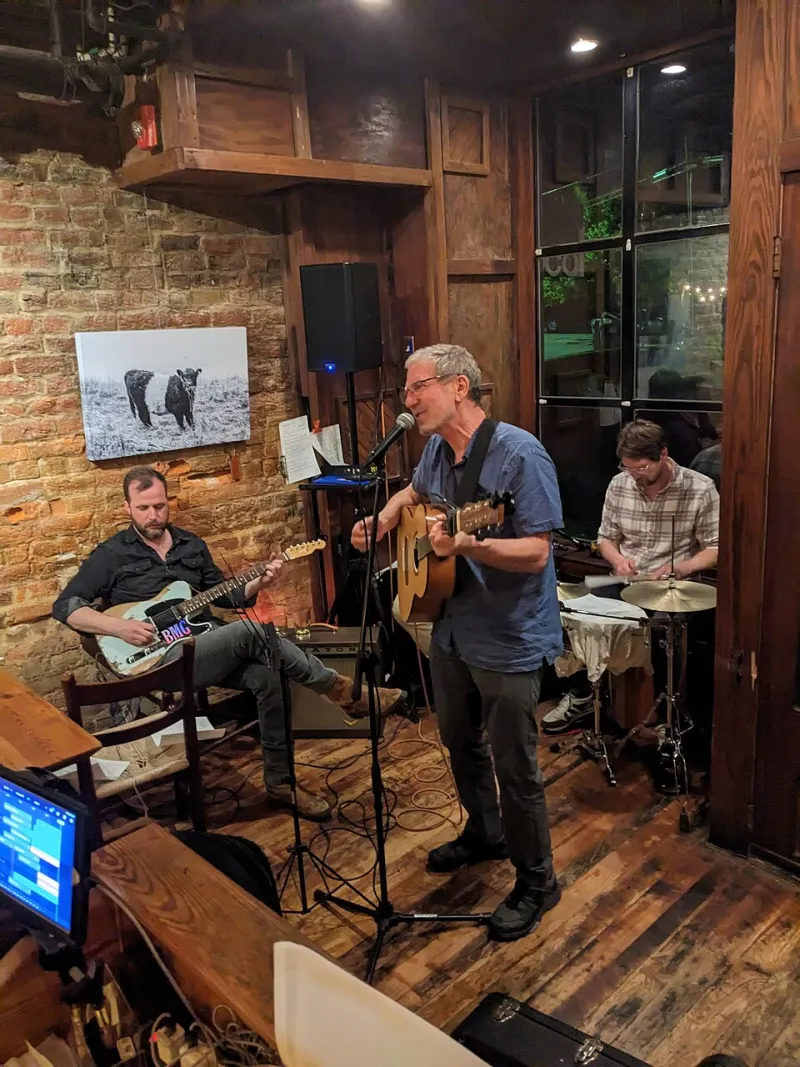
At the Stockport pub, the plan is simple. The opener, a singer with a loop pedal, gets twenty minutes instead of fifteen. The duo who came to watch get a support slot they did not wake up expecting. A poet in the audience, who had a notebook in their bag, is offered five minutes between sets. The compere becomes an air-traffic controller, moving people on and off the stage with a clipboard and a steady stream of thank-yous.
Nobody pretends this is the original bill. The audience is told exactly what has happened. That honesty does most of the work. People have already paid, already travelled, already arranged babysitters. They are not looking for perfection. They are looking for a reason to stay.
The running order is a living document
On a normal night, a running order is a plan. On a cancellation night, it is a living document. It gets crossed out, rewritten, and negotiated in real time. The sound engineer becomes a diplomat. The door person becomes a counsellor. The promoter becomes a person who says ‘thank you’ so many times the words stop sounding like words.
The local acts who step in are rarely doing it for the money. Often they are doing it for the room. They know what it feels like to play to twelve people on a Tuesday. They know that a cancelled headliner can mean a cancelled night, and a cancelled night can mean a venue that stops bothering. So they plug in, borrow a guitar lead, and make the best of a half-hour they did not plan.
There is a particular kind of generosity in this. It is not heroic. It is practical. A singer might shorten their set and skip the song that needs the good mic. A band might play without a soundcheck. A comedian might try new material because the audience is already on their side. The result is often rougher than the advertised bill, but it is also more alive. The room is not watching a product. It is watching a group of people decide to make something together.
The audience’s quiet vote
The most important decision on a cancellation night is not made by the promoter. It is made by the audience. They can leave, ask for a refund, or settle in. Many stay. Not because they are saints, but because the night has suddenly become a different kind of event: less polished, more improvised, and strangely more theirs.
There is a moment when the room changes. The chalkboard goes up. The first replacement act starts playing. The audience realises that the night is not going to be what they bought a ticket for, and they decide to enjoy it anyway. That decision is worth more than any social media post. It is the quiet vote that keeps grassroots venues going.
Often, the cancellation set becomes the one people remember. Not because the headliner was bad — they never showed up — but because the night became a story. The duo who stepped in from the audience. The poet who read one poem and got a bigger cheer than anyone expected. The moment the sound engineer realised the borrowed keyboard only had one working octave and the band played around it. These are the small, unrepeatable bits of live culture that no algorithm can recommend.
What the cancellation set teaches
It teaches that a venue is not just a room with a stage. It is a network of people who know each other well enough to improvise. It teaches that a running order is not sacred. It teaches that an audience is not a passive blob of ticket sales, but a group of people who can be trusted with the truth.
It also teaches a harder lesson. The cancellation set is not a business model. It is a survival tactic. It costs money to keep the door open when the headliner’s fee is gone and the ticket income is lower than planned. It costs volunteer time. It costs the promoter a night of sleep. The fact that it works at all is a testament to how much unpaid effort holds up the small-venue ecosystem.
So next time a headliner drops out, look at what happens next. The sign might change. The running order might be a mess. The set times might be written in chalk and crossed out twice. But if the room stays open, something is working. The cancellation set is not the night anyone planned. It is the night the room decided to carry on anyway.