Small Change, Big Room: The Night the Raffle Paid the Heating Bill
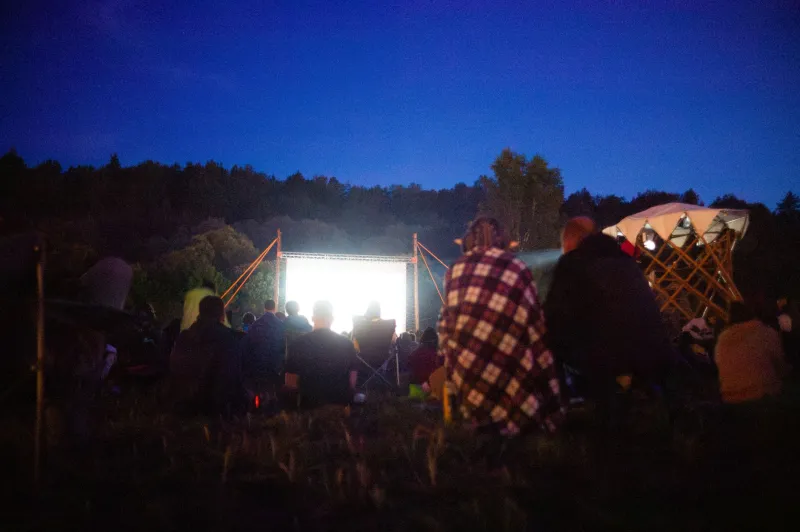
On a wet Thursday in November 2026, the back room of The Bellhouse in Leeds smells of iced buns and radiator dust. The building is a former working men's club with a sprung floor, a stubborn boiler and a stage curtain that has been repaired more times than anyone can remember. These days it runs gigs, life-drawing classes and a Saturday repair café. Tonight there is no band. Tonight there is a raffle.
The table by the door
Ruth, who has been volunteering at The Bellhouse since 2019, is arranging prizes on a trestle table. There is a haircut from the salon over the road, a record token, a meal for two, a candle that smells faintly of bonfire, a signed print from a local illustrator and a voucher for dog grooming. None of it has been bought. All of it has been asked for, collected, labelled and carried in carrier bags across the city.
Tickets are 50p each, or £1 for a strip of three. It is not a sophisticated offer. It is, however, the most reliable one in the room.
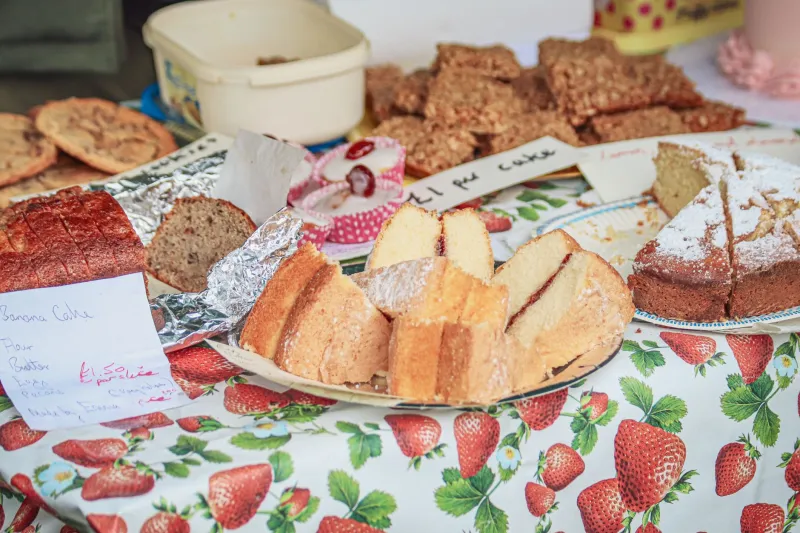
By 8.15pm, the cake stall has already made £62.40. By 8.45pm, the bucket by the door — a plastic ice-cream tub with a slit in the lid — is filling with coins and the occasional folded fiver. By 9.40pm, Ruth and her co-organiser Dev are counting strips on the bar. They have sold 204 strips. That is £204 from raffle tickets alone. The cake stall finishes at £112.50. The bucket has £67.20 in it. The night has raised £383.70 before anyone has washed a plate.
What a £1 strip actually pays for
It would be tidy to say that a £1 strip pays for a specific thing. It does not. It pays for a share of several things, which is why the raffle is less like a prize draw and more like a tiny municipal budget.
The direct costs of the raffle are small but real: £9 for printing tickets, £6.12 in card fees, £4 for tape and labels. That leaves £184.88 from the raffle itself. Divided by 204 strips, each £1 ticket returns about 90p to the room. That 90p is then split across the costs that keep the building open: heating, insurance, PRS, cleaning supplies, the caretaker's hours and the maintenance fund that never quite reaches the roof.
Put another way, one strip does not fix the boiler. Two hundred strips buy a night of heat, a policy that lets the building open, the licence that lets someone sing, and the bleach that lets everyone come back next week. The cake stall and the bucket collection go further; on this night, they were earmarked for the accessible toilet fund.
The invisible line item
Grassroots venues are often described as though they run on goodwill alone. They do not. They run on goodwill plus a hundred small transactions: the raffle, the cake stall, the collection bucket, the merch table, the jar by the kettle. These are not quaint extras tacked on to the real business of culture. They are the line items that make the culture possible.
At The Old Laundry in Bristol, a volunteer-run studio and event space, the monthly raffle is smaller — usually £60 or £70 — but it pays for the same kind of things. In October it covered the difference between a standard insurance policy and one that allows late-night events. In September it bought new smoke alarms. Neither purchase will ever appear in a press release. Both determine whether the building can open its doors.
This is the unglamorous infrastructure of the grassroots. It is not a funding strategy that will scale. It will not impress a major funder. But it is resilient, local and repeatable. It asks people for 50p, not for a business plan.
The ritual matters too
There is also the matter of the raffle as a social form. People linger by the table. They read the prize labels. They ask who donated the haircut. They buy a strip they do not expect to win, and they buy another because Ruth is doing that face she does when the total is close to the target. The raffle creates a low-stakes reason to talk to someone you have never met.
That matters in a room that is trying to be more than a room. The Bellhouse does not just need money for the boiler; it needs people to feel that the boiler is theirs. A raffle does that better than a direct debit form. It turns a donation into a small, shared ritual with a chance of a candle at the end.
By 10.30pm, the chairs are stacked, the plates are washed and the total is written on a napkin in Ruth's handwriting. The raffle has not solved everything. The roof still leaks above the fire exit. The boiler still clunks. But the night has paid for the heating, the insurance and a little bit of the future.
Small change, big room. It is not a slogan. It is the economy.